

The illegal drug supply continues to change, creating new risks for individuals, families, and communities throughout Tennessee. One emerging concern is a group of powerful synthetic opioids known as nitazenes. Although nitazenes are not as widely recognized as fentanyl, some types may be equally potent or significantly stronger.
Nitazenes may be mixed into fentanyl, heroin, counterfeit prescription pills, and other substances without a person’s knowledge. This makes it nearly impossible to determine what a substance contains based on its appearance alone. For Tennessee families, understanding nitazenes can make it easier to recognize an emergency, respond to a suspected overdose, and encourage a loved one to seek professional help.
If someone you care about is struggling with opioid use, Knoxville Recovery Center provides compassionate addiction treatment designed to address substance use alongside the underlying factors that may contribute to it.
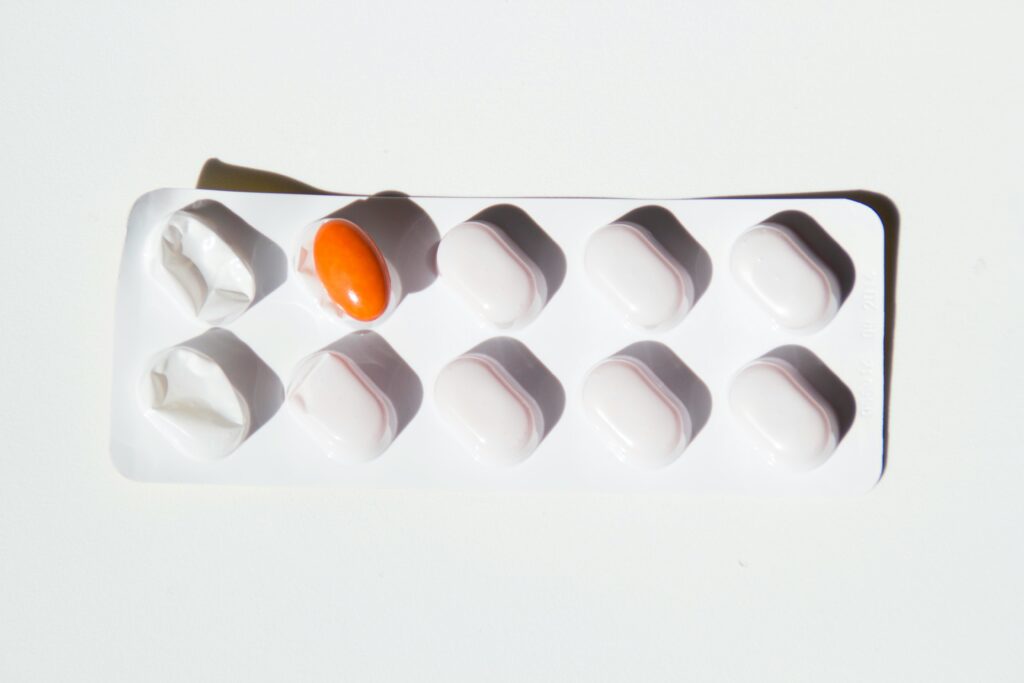
What Are Nitazenes?
Nitazenes are a group of laboratory-made opioids derived from a chemical structure known as 2-benzylbenzimidazole. They were first developed as possible pain-relieving medications during the 1950s and 1960s. However, they were never approved for medical use in the United States.
Like fentanyl, heroin, and prescription opioids, nitazenes interact with opioid receptors in the brain. These receptors influence pain, pleasure, sedation, and breathing. When a highly potent opioid activates them, it can rapidly suppress the central nervous system and cause breathing to slow or stop.
Examples of nitazenes identified in the illicit drug supply include:
- Isotonitazene
- Metonitazene
- Protonitazene
- Etonitazene
- Clonitazene
- Butonitazene
- N-pyrrolidino etonitazene
The potency of individual nitazenes varies considerably. According to the Centers for Disease Control and Prevention, certain analogs—including isotonitazene, protonitazene, and etonitazene—may greatly exceed the potency of fentanyl. Metonitazene appears to have potency closer to that of fentanyl.
This variation means it is inaccurate to assign one potency level to every nitazene. However, all nitazenes should be treated as potentially life-threatening.
Why Are Nitazenes Appearing in the Illegal Drug Supply?
Nitazenes have emerged as manufacturers continually modify synthetic drugs in response to changes in availability, enforcement, and regulation. These substances can be produced illegally and added to other drugs to increase their opioid effects.
The Drug Enforcement Administration reported in May 2026 that it had identified 22 unique nitazene compounds since 2020. The agency also warned that nitazenes are being found alongside fentanyl and other emerging substances.
Nitazenes may appear in:
- Powders sold as heroin or fentanyl
- Counterfeit oxycodone or hydromorphone pills
- Substances sold as prescription pain medication
- Other illicit drugs contaminated during production
- Mixtures containing fentanyl, methamphetamine, or additional substances
A person may therefore consume nitazenes without intentionally seeking them. Color, taste, packaging, and pill markings cannot reliably confirm what an illicit substance contains.
As the DEA cautions, “Today’s illicit drug supply is more dangerous, more deceptive, and more deadly than ever before.”

Why Are Nitazenes So Dangerous?
Nitazenes are dangerous because of their potency, unpredictable concentration, and frequent presence in mixtures containing multiple drugs. Even a small difference in the amount of a powerful synthetic opioid can dramatically affect overdose risk.
Potential dangers associated with nitazenes include:
- Severe sleepiness or unconsciousness
- Slowed or stopped breathing
- Low blood pressure
- Nausea or vomiting
- Confusion
- Loss of coordination
- Physical dependence
- Opioid withdrawal
- Nonfatal or fatal overdose
Nitazenes can be especially dangerous when combined with alcohol, benzodiazepines, prescription sedatives, or other opioids. These substances can produce overlapping depressant effects, further slowing breathing and reducing oxygen to the brain.
Risk may also increase after a period of abstinence. When someone stops using opioids, their tolerance can decrease. Returning to a previous amount—or unknowingly consuming a drug containing nitazenes—can result in an overdose.
Traditional toxicology panels do not always test for nitazenes. As a result, healthcare professionals and public health agencies may not immediately know that a nitazene was involved. Limited testing also means official numbers may underestimate the true prevalence of these substances.
What Do Tennessee Families Need to Know About Nitazenes?
Nitazenes are not a distant or theoretical threat. They have already been connected to overdose deaths in Tennessee, including deaths in East Tennessee.
A 2025 Tennessee Department of Health brief identified 92 nitazene-involved fatal overdoses among Tennessee residents from 2019 through 2023. The state recorded 26 identified deaths in 2023, representing an increase from the previous year.
The report also found that:
- Six nitazene analogs had been identified in Tennessee.
- Metonitazene was the most commonly identified analog.
- Every identified nitazene-involved death involved multiple substances.
- Fentanyl and methamphetamine were frequently present.
- Only approximately one in three individuals who died received naloxone.
Earlier CDC research found that many identified nitazene deaths occurred in Knox County. However, researchers explained that this concentration may partly reflect access to more advanced laboratory testing through the Knox County Regional Forensic Center. Other Tennessee counties may have been undercounted because standard panels do not consistently detect nitazenes.
These findings reinforce an important point: nitazenes are already affecting Tennessee communities, but their full presence remains difficult to measure.
What Are the Signs of a Nitazene Overdose?
Because nitazenes are opioids, a nitazene overdose may look similar to an overdose involving fentanyl, heroin, or prescription painkillers. The most serious danger is respiratory depression, which occurs when breathing becomes dangerously slow or stops entirely.
Possible signs of an opioid overdose include:
- Inability to wake the person
- Very slow, shallow, irregular, or absent breathing
- Choking, gurgling, or snoring sounds
- Small, constricted pupils
- A limp body
- Pale, gray, blue, or discolored lips and fingernails
- Cold or clammy skin
- Slow heartbeat
- Vomiting while unconscious
The CDC advises that if you are uncertain, it is safest to treat the situation as an overdose. Waiting to see whether someone improves can cost valuable time.

Can Naloxone Reverse an Overdose Involving Nitazenes?
Naloxone can reverse the opioid effects of nitazenes and should be administered immediately during a suspected overdose. Because some nitazenes are extremely potent, more than one dose may be necessary.
The CDC reports that “naloxone has been effective in reversing nitazene-involved overdoses,” although multiple doses might be required.
If you believe someone is experiencing an overdose:
- Call 911 immediately.
- Administer naloxone if it is available.
- Give another dose every two to three minutes if the person does not respond, following the product instructions and emergency dispatcher’s guidance.
- Provide rescue breathing or CPR if you are trained.
- Place the person on their side if they begin breathing independently.
- Stay with them until emergency responders arrive.
Always seek emergency care, even if the person wakes up after receiving naloxone. The opioid may remain active longer than the naloxone, causing overdose symptoms to return.
Tennessee’s Regional Overdose Prevention Specialists provide overdose-response education and naloxone resources. Families can also obtain naloxone from many pharmacies. Keeping it nearby is a practical safety measure and does not encourage drug use—it provides an opportunity to save a life.
How Can Families Talk to a Loved One About Nitazenes?
Discovering that someone may be using opioids can bring up fear, anger, and uncertainty. However, shame and confrontation may cause the person to withdraw or hide their substance use.
Try beginning the conversation with a calm observation:
- “I have noticed some changes, and I’m worried about you.”
- “I recently learned about nitazenes being found in Tennessee’s drug supply.”
- “You don’t have to handle this by yourself.”
- “Can we talk with someone who understands opioid addiction?”
Choose a private time when the person is not intoxicated and there is no immediate crisis. Focus on specific behaviors rather than labels or accusations. Listen to what they say, acknowledge their fears, and offer to help them research treatment.
Remember that opioid addiction is a complex health condition—not a moral failure or lack of willpower. A loved one may need several conversations before accepting support. Continuing to communicate with compassion while maintaining healthy boundaries can make a meaningful difference.
How Is Addiction Involving Nitazenes Treated?
There is no separate addiction diagnosis for nitazenes. Because they act on opioid receptors, ongoing nitazene use is generally treated as an opioid use disorder. Effective treatment should address physical dependence as well as emotional, behavioral, and environmental factors.
Depending on the individual, treatment may include:
- A professional assessment
- Medically supervised withdrawal support
- Medication for opioid use disorder when appropriate
- Individual and group therapy
- Treatment for anxiety, depression, trauma, or other co-occurring conditions
- Relapse-prevention planning
- Family education and support
- Continued care after the initial treatment program
Attempting to stop using powerful opioids without support can be extremely difficult. Withdrawal symptoms may include muscle aches, sweating, nausea, vomiting, diarrhea, anxiety, insomnia, restlessness, and intense cravings. Although opioid withdrawal is not always life-threatening by itself, returning to use after tolerance has decreased can create a serious overdose risk.
Professional care can help individuals move through the early stages of recovery while developing healthier coping strategies for the future.

How Can Knoxville Recovery Center Help With Opioid Addiction?
Knoxville Recovery Center offers individualized addiction treatment in a supportive East Tennessee environment. Rather than focusing only on stopping substance use, treatment can help individuals understand what contributed to addiction and begin building a sustainable recovery.
Care may address trauma, mental health symptoms, unhealthy coping patterns, relationship challenges, and other factors that influence substance use. Through evidence-based therapies, holistic support, peer connection, and individualized planning, clients can begin developing the skills needed for life beyond addiction.
The emergence of nitazenes makes seeking help especially urgent. No one can reliably know the potency or contents of a substance purchased outside a licensed pharmacy. Entering treatment removes the daily uncertainty of an increasingly unpredictable drug supply and creates space for physical, emotional, and behavioral healing.
If you or someone you love is struggling with opioid use, Knoxville Recovery Center is here to help. Reaching out today can be the first step toward safety, stability, and lasting recovery.
Frequently Asked Questions About Nitazenes
Are nitazenes stronger than fentanyl?
Some nitazenes may be significantly more potent than fentanyl, while others have comparable potency. Because different analogs and concentrations may be present, every substance containing nitazenes should be considered extremely dangerous.
Are nitazenes legal?
Many identified nitazenes are classified as Schedule I controlled substances in the United States. The DEA reported in 2026 that 21 of the 22 nitazene compounds it had identified since 2020 were listed as Schedule I substances. Nitazenes have never been approved for medical use in the United States.
Can someone know if a pill contains nitazenes?
No. Counterfeit pills can closely resemble legitimate prescription medication, and nitazenes cannot be reliably identified by sight, smell, taste, or packaging. The safest choice is to take only medication prescribed to you and dispensed by a licensed pharmacy.
Will naloxone work on nitazenes?
Yes. Naloxone can reverse the opioid effects of nitazenes. However, multiple doses may be necessary because of their potency. Always administer naloxone, call 911, and stay with the person until emergency help arrives.
Are nitazenes present in Tennessee?
Yes. The Tennessee Department of Health identified nitazene-involved overdose deaths among state residents from 2019 through 2023. Limited toxicology testing means the true number may be higher than the number officially identified.
Where can Tennessee families find addiction treatment?
Families can contact Knoxville Recovery Center to learn about available treatment options. The Tennessee REDLINE also offers free and confidential treatment referrals by call or text at 800-889-9789. Call 911 immediately if someone may be experiencing an overdose.