
Choosing recovery can bring hope, relief, and the possibility of a healthier future. However, the early stages of recovery do not always feel as positive as someone expects. Even after withdrawal symptoms begin to improve, some people experience emotional numbness, low motivation, or an inability to enjoy activities they once loved. This experience is known as anhedonia after addiction.
Anhedonia can make music feel uninteresting, food less satisfying, relationships emotionally distant, and hobbies difficult to enjoy. A person may understand that recovery is helping their life while still wondering why they do not feel happy.
Experiencing anhedonia after addiction does not mean someone is failing at recovery. It can reflect changes in the brain’s reward system, the emotional challenges of early sobriety, or an underlying mental health condition that requires attention. With professional support, healthy routines, and time, the ability to experience pleasure can improve.

What Is Anhedonia After Addiction?
Anhedonia is the reduced ability to experience pleasure, interest, or satisfaction. Rather than being a standalone diagnosis, it is a symptom that can occur with substance withdrawal, depression, trauma-related conditions, and other mental health concerns.
Someone experiencing anhedonia after addiction may have difficulty enjoying activities such as:
- Spending time with friends or family
- Listening to music
- Exercising or spending time outdoors
- Eating favorite foods
- Participating in hobbies
- Celebrating personal accomplishments
- Experiencing affection or intimacy
- Looking forward to future events
Anhedonia can affect both physical and social pleasure. Physical anhedonia involves receiving less enjoyment from sensory experiences such as touch, taste, movement, or music. Social anhedonia involves losing interest or pleasure in relationships and social interaction.
For people in recovery, these experiences may feel especially discouraging. Someone may have stopped using substances because they wanted a better life, only to discover that ordinary life initially feels flat or unrewarding. Understanding why this happens can reduce shame and help the individual seek appropriate support.
Why Does Anhedonia Happen After Addiction?
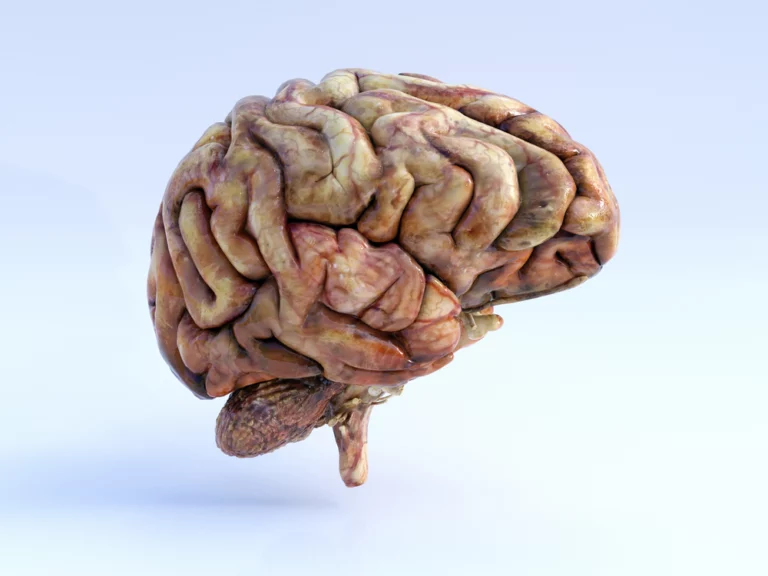
Repeated substance use can alter the brain systems involved in motivation, reinforcement, stress, and reward. Alcohol and other drugs may produce unusually intense changes in chemical signaling. Over time, the brain adapts to those effects.
The National Institute on Drug Abuse explains that repeated drug exposure can diminish the sensitivity of the reward circuit, “making it hard to feel pleasure from anything besides the drug.” NIDA
This does not mean the brain is permanently incapable of experiencing pleasure. It means that during early recovery, healthy rewards may not immediately feel as powerful as they once did. A meal, conversation, workout, or sunset cannot reproduce the intensity associated with substance use. As a result, these ordinary experiences may initially feel muted.
Several factors may contribute to anhedonia after addiction, including:
- Changes within the brain’s reward and motivation systems
- Acute or post-acute withdrawal symptoms
- Sleep disruption and physical exhaustion
- Stress associated with major lifestyle changes
- Grief over relationships, opportunities, or time lost to addiction
- Isolation from supportive people and enjoyable activities
- Co-occurring depression, anxiety, or trauma
- Lack of structure or a sense of purpose
Anhedonia may also have been present before substance use began. In some cases, people use alcohol or drugs in an attempt to escape emotional numbness, loneliness, or depression. A comprehensive assessment can help determine whether anhedonia is primarily related to early recovery, a co-occurring condition, or a combination of factors.

What Does Anhedonia in Addiction Recovery Feel Like?
The experience can vary from one person to another. Some people describe an absence of excitement, while others feel emotionally disconnected from nearly everything around them.
Common signs of anhedonia after addiction may include:
- Feeling emotionally numb or empty
- Losing interest in activities that were previously enjoyable
- Withdrawing from family, friends, or recovery peers
- Struggling to feel proud of progress
- Having little motivation to begin or complete daily tasks
- Feeling indifferent about the future
- Experiencing reduced interest in intimacy
- Believing sobriety is boring or unrewarding
- Going through daily routines without feeling emotionally present
Anhedonia is not the same as simply having a difficult day. The symptom is more persistent and may interfere with relationships, self-care, work, treatment participation, or recovery goals.
It is also important to recognize that a person experiencing anhedonia may still smile, attend treatment, or complete responsibilities. Outward functioning does not always reveal the extent of someone’s emotional struggle.
How Long Does Anhedonia After Addiction Last?
There is no universal timeline for anhedonia after addiction. Its duration may depend on the substance used, the frequency and length of use, physical health, mental health, sleep, stress levels, and access to treatment.
Some people notice gradual improvement after the acute withdrawal period. For others, emotional flatness may continue for weeks or months as part of a broader group of post-acute withdrawal symptoms. Progress is rarely perfectly linear. Someone may begin enjoying life again and then experience a temporary return of numbness during a stressful period.
Research has found that anhedonia can be elevated among people with substance use disorders and may be associated with cravings or poorer treatment outcomes. This makes it important to discuss the symptom with a qualified professional instead of silently waiting for it to disappear. National Library of Medicine
Rather than focusing on a fixed deadline, it can be more helpful to look for small signs of progress. These may include laughing during a conversation, becoming curious about a new activity, enjoying part of a meal, or feeling a brief sense of accomplishment. Early improvements may be subtle before pleasure begins to feel natural again.
Is Anhedonia After Addiction the Same as Depression?
Anhedonia is one potential symptom of depression, but experiencing anhedonia does not automatically mean someone has a depressive disorder.
Depression may also involve persistent sadness, hopelessness, changes in sleep or appetite, difficulty concentrating, feelings of guilt or worthlessness, fatigue, or thoughts of death. Because withdrawal and depression can produce overlapping symptoms, self-diagnosis can be unreliable.
Professional evaluation is especially important when emotional numbness:
- Continues without improvement
- Becomes increasingly severe
- Interferes with treatment or daily functioning
- Leads to isolation
- Occurs with intense hopelessness
- Is accompanied by thoughts of self-harm or suicide
If someone is in immediate danger or considering suicide, call or text 988 to reach the Suicide & Crisis Lifeline, or call 911 in an emergency.
Identifying co-occurring depression or another mental health condition is not a setback. It gives the treatment team more information and creates an opportunity to address the whole person rather than focusing only on substance use.

Can Anhedonia Increase the Risk of Relapse?
Yes, untreated anhedonia after addiction can become a relapse risk. When recovery feels emotionally unrewarding, a person may begin remembering the immediate effects of substance use while minimizing its consequences.
Thoughts such as “I will never enjoy anything again” or “At least I felt something when I was using” can be warning signs. A person may also disengage from counseling, peer support, exercise, or other protective routines because those activities do not provide immediate satisfaction.
Anhedonia can create a difficult cycle:
- Activities do not feel rewarding.
- The person stops participating in those activities.
- Isolation and inactivity increase.
- Mood and motivation decline further.
- Cravings or thoughts of returning to substance use become stronger.
Breaking this cycle often requires taking healthy action before motivation returns. This approach is sometimes called behavioral activation. Instead of waiting to feel inspired, a person follows a manageable routine and gives the brain repeated opportunities to reconnect healthy behavior with reward.
What Can Help With Anhedonia During Recovery?
There is no single solution for everyone, but several strategies can support emotional and neurological healing.
Follow a consistent daily routine
Regular sleep, meals, treatment appointments, movement, and personal responsibilities can create stability. Predictability reduces decision fatigue and helps someone remain engaged even when motivation is low.
Participate in therapy
Individual and group therapy can help people identify unhelpful thoughts, process grief or trauma, manage stress, and build coping strategies. Therapy also offers a safe place to discuss emotional numbness without judgment.
Start with small, achievable activities
Someone experiencing anhedonia may feel overwhelmed by advice to “find a passion” or completely transform their lifestyle. Small actions are more realistic. Taking a ten-minute walk, preparing one nutritious meal, calling a supportive friend, or attending a recovery meeting can be meaningful steps.
Exercise regularly
Movement can support sleep, mood, stress regulation, and overall health. Exercise does not need to be intense. Walking, stretching, yoga, swimming, or other enjoyable forms of movement may be helpful when performed consistently and with medical guidance when necessary.
Rebuild social connection
Isolation can intensify anhedonia. Spending time with supportive peers allows a person to experience belonging even when strong positive emotions have not returned. Recovery communities can also provide reassurance from people who have experienced similar challenges.
Protect sleep and nutrition
Poor sleep and inconsistent nutrition can worsen low energy, irritability, and emotional instability. A treatment team can help someone develop realistic habits that support physical recovery.
Discuss medication with a qualified provider
When anhedonia is associated with depression or another mental health condition, medication may be considered as part of a personalized plan. Medications should only be prescribed and monitored by a qualified medical professional.
How Can Addiction Treatment Support Emotional Healing?
Effective addiction treatment is not limited to stopping substance use. It helps people understand the causes and consequences of addiction while building a life that can support long-term recovery.
As the Substance Abuse and Mental Health Services Administration explains, recovery is “a process of change through which individuals improve their health and wellness, live self-directed lives, and strive to reach their full potential.” SAMHSA
That process may include:
- Medical and psychiatric assessment
- Individualized treatment planning
- Individual and group therapy
- Evaluation for co-occurring mental health conditions
- Relapse-prevention education
- Healthy routine development
- Peer and community support
- Aftercare and continuing-care planning
Treatment can also help people develop a more realistic understanding of pleasure in recovery. A healthy life may not provide constant excitement. Instead, satisfaction often returns through smaller experiences: trusting someone again, completing a goal, waking up without withdrawal, reconnecting with family, or discovering a renewed sense of purpose.

How Can Knoxville Recovery Center Help With Anhedonia After Addiction?
At Knoxville Recovery Center, we understand that stopping substance use is only one part of healing. Recovery also involves rebuilding emotional health, strengthening relationships, developing healthy routines, and learning how to find meaning without relying on drugs or alcohol.
Our team works to understand each client’s history, symptoms, needs, and recovery goals. Through compassionate care and individualized support, clients can begin addressing the physical, emotional, and behavioral effects of addiction.
If anhedonia after addiction has made recovery feel empty or discouraging, you do not have to navigate it alone. Professional treatment can help you understand what you are experiencing, identify co-occurring concerns, and take gradual steps toward a more connected and fulfilling life.
Contact Knoxville Recovery Center or call us today to learn more about treatment and begin building a strong foundation for lasting recovery.
Frequently Asked Questions About Anhedonia After Addiction
Is anhedonia normal after addiction?
Anhedonia can occur during early recovery as the brain and body adjust to life without substances. Although it is not experienced by everyone, it is a recognized concern among people with substance use disorders. Persistent or severe symptoms should be discussed with a medical or mental health professional.
Does anhedonia mean the brain is permanently damaged?
No. Experiencing anhedonia does not automatically mean the brain is permanently damaged. The brain can continue adapting during recovery, and many people notice gradual improvements in motivation and pleasure. Recovery timelines vary, however, and professional support may be needed.
What is the difference between anhedonia and boredom?
Boredom typically involves dissatisfaction with a situation or a lack of stimulation. Anhedonia is a reduced ability to experience pleasure, even when participating in activities that would normally be rewarding.
Can anhedonia cause a relapse?
Anhedonia can increase relapse vulnerability by making sobriety feel unrewarding and encouraging isolation. Relapse is not inevitable. Therapy, structure, peer support, healthy activities, and a personalized relapse-prevention plan can help reduce risk.
When should I seek help for anhedonia after addiction?
Seek professional help when symptoms persist, worsen, interfere with daily life, or occur alongside severe depression, hopelessness, or thoughts of self-harm. Immediate support is available by calling or texting 988 during a mental health crisis.
Can addiction treatment help me enjoy life again?
Addiction treatment can help address factors contributing to emotional numbness, including withdrawal, isolation, unhealthy routines, trauma, depression, and other co-occurring concerns. Improvement may happen gradually, but individualized treatment and continuing support can help people reconnect with relationships, interests, and purpose.