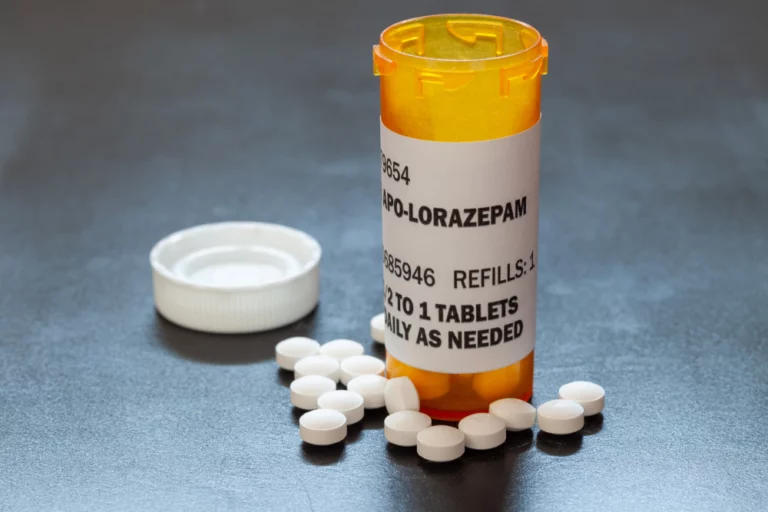

The term illicit benzodiazepines is appearing more often in overdose reports and conversations about counterfeit pills. For families in Knoxville, understanding this changing drug supply can be lifesaving. A tablet sold as Xanax may instead contain an unapproved synthetic benzodiazepine, fentanyl, or multiple substances in unpredictable amounts.
Benzodiazepines prescribed by a medical professional can have legitimate uses, including treating certain anxiety disorders, insomnia, and seizures. Illicit benzodiazepines may be manufactured without quality controls, sold without a prescription, or pressed into counterfeit tablets. Because appearance cannot confirm a pill’s contents, these substances can cause profound sedation, respiratory failure, dependence, withdrawal, or overdose.
What Are Illicit Benzodiazepines?
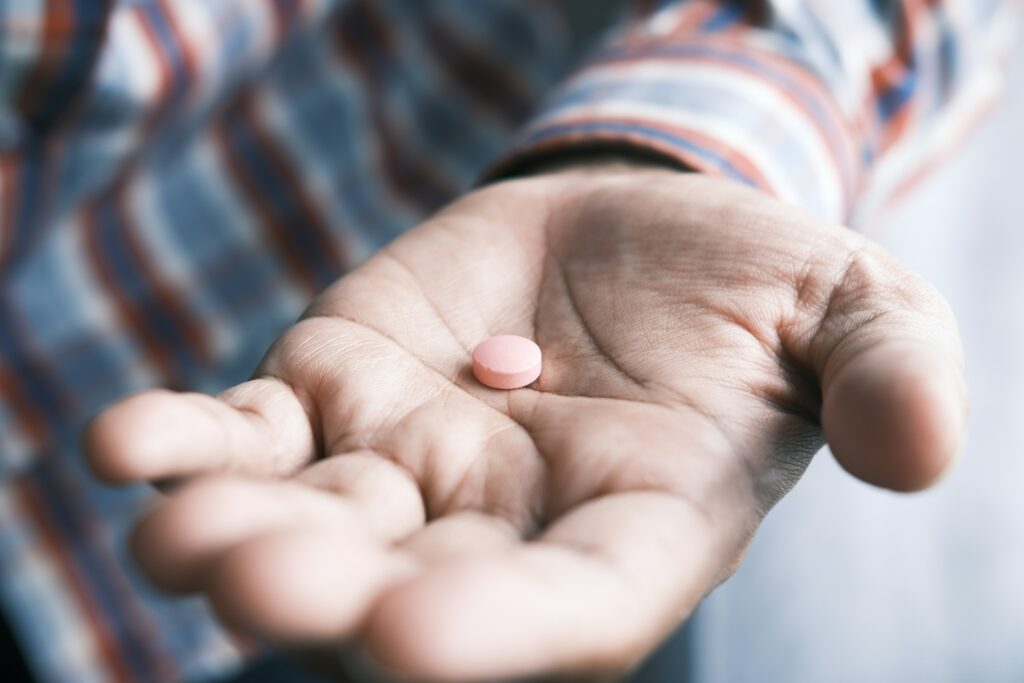
Illicit benzodiazepines are benzodiazepine-like substances made, distributed, or used outside legitimate medical and pharmacy systems. The term can refer to several categories:
- Counterfeit tablets that imitate prescription medications such as Xanax, Valium, Klonopin, or Ativan
- Pharmaceutical benzodiazepines obtained or used without a prescription
- “Designer benzodiazepines” or novel compounds that have not been approved by the U.S. Food and Drug Administration (FDA)
- Pills or powders containing a mixture of benzodiazepines, opioids, or other drugs
Examples detected in the illicit drug supply include bromazolam, etizolam, flualprazolam, and flubromazolam. Some products are deliberately stamped to look like familiar medications. In March 2026, the Drug Enforcement Administration (DEA) emergency-scheduled bromazolam, describing it as a synthetic benzodiazepine used to make counterfeit Xanax tablets.
Illicit does not simply mean “stronger.” It means the substance was not prescribed and dispensed through a regulated process—or that the product itself may be unapproved, counterfeit, or inaccurately labeled.
How Are Illicit Benzodiazepines Different From Prescription Benzodiazepines?
The most important difference is certainty. A medication dispensed by a licensed pharmacy contains a known active ingredient and dose and is accompanied by professional instructions. Illicit benzodiazepines offer none of those safeguards.
A counterfeit pill may look nearly identical to a prescription tablet, yet its ingredients and strength can vary from one pill to the next. The DEA cautions, “The only safe medications are ones prescribed by a trusted medical professional and dispensed by a licensed pharmacist.”
Legitimate medications can also lead to physical dependence or addiction, especially when misused. The FDA notes, “Physical dependence can occur when benzodiazepines are taken steadily for several days to weeks, even as prescribed.” Anyone concerned about a prescription should speak with the prescriber rather than changing the dose or stopping suddenly.
Why Are Illicit Benzodiazepines So Dangerous?
Illicit benzodiazepines are dangerous because the person taking them cannot reliably know what substance is present, how concentrated it is, or what else has been added. Several risks can overlap.
Unknown potency and duration
Some designer benzodiazepines may be highly potent or remain active longer than expected. Repeating a dose before the first takes effect can cause dangerous sedation. Without accurate labeling, there is no dependable way to calculate a safe dose.
Counterfeit pills and unexpected fentanyl
DEA reports that fake pills resembling alprazolam and other medications may contain fentanyl or methamphetamine. CDC also warns that counterfeit pills may contain illegally manufactured fentanyl, illicit benzodiazepines, or other drugs. Someone seeking a benzodiazepine may unknowingly experience opioid exposure.
Mixing central nervous system depressants
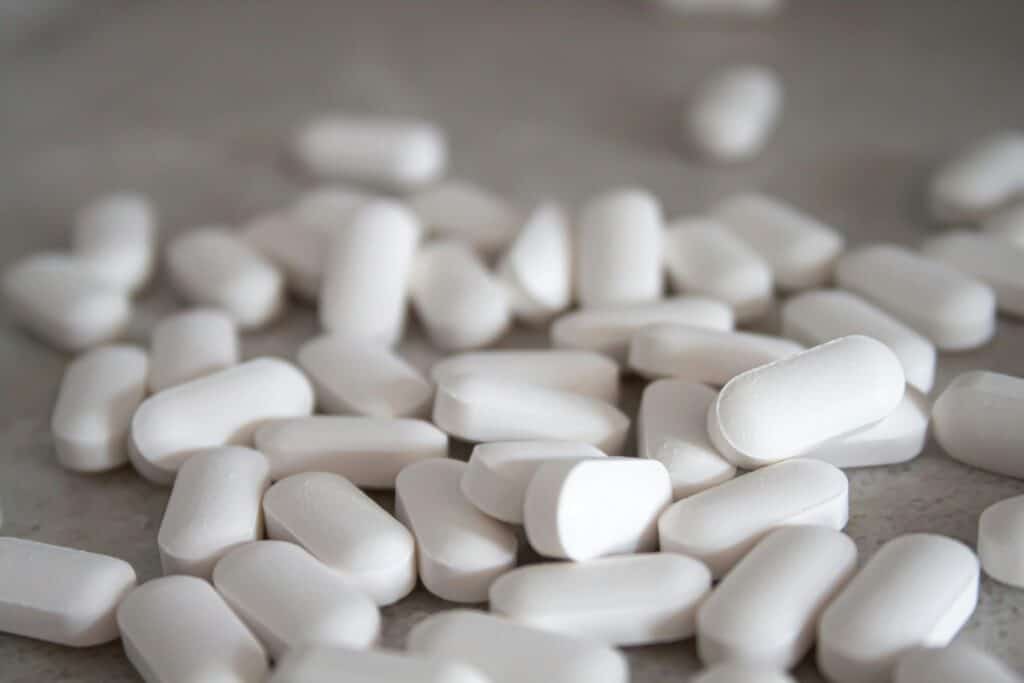
Benzodiazepines slow activity in the central nervous system. Combining them with opioids, alcohol, sleep medications, or other sedatives can compound respiratory depression. In a CDC analysis of benzodiazepine-involved deaths during the first half of 2020, 92.7% also involved opioids, illustrating the danger of polysubstance exposure.
Delayed or incomplete emergency response
Naloxone can reverse the opioid component of an overdose, but it does not reverse benzodiazepine intoxication. If a counterfeit pill contains both fentanyl and illicit benzodiazepines, a person may remain deeply sedated even after naloxone begins working. Emergency medical care is still essential.
What Are the Signs of Illicit Benzodiazepine Intoxication or Overdose?
The effects can vary based on the specific drug, dose, other substances involved, and the person’s health. Warning signs may include:
- Extreme sleepiness or inability to stay awake
- Confusion or unusual behavior
- Slurred speech
- Poor coordination, stumbling, or loss of balance
- Slow, shallow, irregular, or stopped breathing
- Bluish or gray lips, fingertips, or skin
- Weak response or no response to voice, touch, or pain
- Loss of consciousness
An unusual reaction may also occur when a product contains an unexpected substance. Do not assume someone can “sleep it off.” If a person is difficult to wake, breathing abnormally, or suspected of overdosing, call 911 immediately.
What Should You Do During a Suspected Overdose?
Treat every suspected overdose as a medical emergency. Call 911, provide the person’s location, and describe what you see. If opioid exposure is possible, administer naloxone if it is available. Counterfeit pills commonly contain fentanyl, so naloxone may save the person’s life even when they believed they took a benzodiazepine.
If the person does not respond, follow the product directions for another naloxone dose. Begin rescue breathing or CPR if trained, place a breathing person on their side, and stay until help arrives.
Naloxone will not harm someone merely because opioids were not involved, but it will not reverse the effects of illicit benzodiazepines. Continued unresponsiveness or slowed breathing requires immediate professional treatment.

Can Illicit Benzodiazepines Cause Dependence and Withdrawal?
Yes. Repeated exposure to benzodiazepines or benzodiazepine-like drugs can cause physical dependence, meaning the body adapts to their presence. Dependence is not identical to addiction, but it can produce serious withdrawal symptoms when use stops or decreases.
Possible benzodiazepine withdrawal symptoms include anxiety, insomnia, agitation, sweating, tremors, nausea, sensory sensitivity, confusion, hallucinations, and seizures. With illicit benzodiazepines, withdrawal can be particularly difficult to predict because the actual drug, dose, and duration of action may be unknown.
Abruptly stopping after regular use can be dangerous. A 2025 clinical guideline led by the American Society of Addiction Medicine advises that people who may be physically dependent should not abruptly discontinue benzodiazepines and should instead follow a gradual, individualized taper under clinical supervision. This is not a process to design alone or copy from an online schedule.
How Are Problems With Illicit Benzodiazepines Treated?
Treatment begins with an assessment of what a person has been taking, how often, and whether alcohol, opioids, or other substances are involved. Clinicians also consider symptoms, medical history, prior withdrawal complications, and available toxicology information.
Care may include medically supervised detoxification, monitoring for seizures and other complications, symptom management, and a patient-specific taper when clinically appropriate. After stabilization, treatment can address the reasons substance use developed or continued. Individual and group therapy, dual diagnosis care, coping-skills education, relapse prevention, holistic support, and aftercare planning may all contribute to a sustainable recovery plan.
It is also important to treat co-occurring anxiety, insomnia, trauma, or other mental health concerns. Recovery should not leave someone without support for the symptoms they may have been trying to manage.
How Can Knoxville Recovery Center Help With Illicit Benzodiazepine Use?
Knoxville Recovery Center provides on-site medical detox, residential addiction treatment, individualized care, dual diagnosis services, holistic therapies, and aftercare planning in Knoxville, Tennessee. The first step is a comprehensive assessment that helps the clinical team understand a person’s substance use, medical needs, mental health, previous treatment, and risk of withdrawal complications.
For someone using illicit benzodiazepines, monitoring is especially important because the substance and strength may be unknown. After stabilization, treatment can help clients understand their use, develop healthier coping strategies, and prepare for continued recovery.
Asking for help is not an admission of failure. It is a practical response to a drug supply that has become increasingly unpredictable. If you or someone you love is struggling with illicit benzodiazepines, contact Knoxville Recovery Center or call us today to discuss available treatment options and the safest next step.

Frequently Asked Questions About Illicit Benzodiazepines
Are illicit benzodiazepines the same as counterfeit Xanax?
Not always. Counterfeit Xanax is one common form, but the term also includes unapproved designer benzodiazepines and prescription benzodiazepines obtained or used outside medical direction. Some counterfeit Xanax tablets contain bromazolam, fentanyl, or multiple substances rather than alprazolam.
Can you identify a counterfeit benzodiazepine by looking at it?
No. Counterfeit pills can closely imitate legitimate medication in color, shape, size, and markings. Appearance alone cannot confirm ingredients or potency. Medication is safest when prescribed to the individual and dispensed by a licensed pharmacy.
Can naloxone reverse an illicit benzodiazepine overdose?
Naloxone does not reverse benzodiazepine effects, but it can reverse an opioid overdose. Because illicit pills may contain fentanyl, give naloxone when opioid exposure is possible, call 911, and continue monitoring breathing until emergency help arrives.
Is it safe to stop illicit benzodiazepines at home?
Stopping suddenly after regular use can lead to severe withdrawal, including seizures or delirium. A medical professional should evaluate the safest level of care and create an individualized withdrawal plan. Do not attempt an unsupervised taper using pills of unknown content or strength.
Does Knoxville Recovery Center provide benzodiazepine detox?
Knoxville Recovery Center provides on-site medical detox and residential addiction treatment. Admission begins with an individualized assessment to determine whether the program can safely address the person’s withdrawal and treatment needs.
Editorial Sources
1. U.S. Drug Enforcement Administration. “DEA Emergency Schedules Bromazolam.” March 18, 2026.
2. U.S. Drug Enforcement Administration. “Fake Prescription Pills.”
7. Knoxville Recovery Center. “Medical Detox in Knoxville, TN” and “Addiction Recovery Programs.”