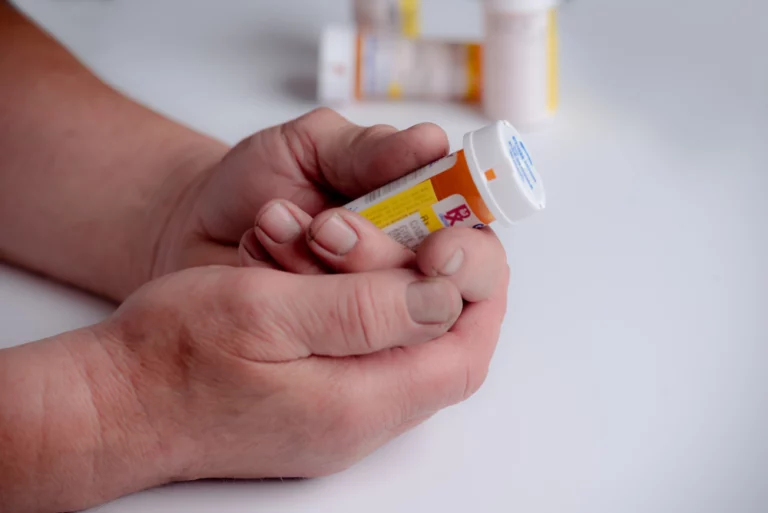

Sometimes the call from rehab is just five words long. “Can you come get me?” A parent or partner on the other end may hear that as a decision already made. The person making the call may still be deciding. They might be scared by how they feel, worried about a child at home, or unsure how to tell a counselor what happened that morning.
Why people leave rehab early often comes down to a specific problem they can’t see a way through. Cravings, emotional distress, pressure from home, and difficulty trusting the treatment team can all play a part. Some people feel physically better after detox and wonder what staying would accomplish. Understanding which concern matters today gives everyone a better chance of helping.

What makes someone want to leave addiction treatment early?
Two people can say “I want to go home” and need entirely different things. In a study of young adults who left residential treatment, participants described cravings, painful emotions, the quality of their contact with staff, and how they spent their time in the program. Their accounts offer a good place to start a conversation. The person sitting across from you can tell you which reasons fit.
Cravings or withdrawal symptoms feel hard to bear
When you’ve barely slept and your body feels restless, the thought of another night in an unfamiliar bed can be overwhelming. A craving may come with a very specific plan in mind, including whom you could call or where you could go if you left. That can be hard to admit when someone you love is proud of you for entering treatment.
Tell a nurse or clinician what the last few hours have actually been like. “I’ve been awake since three, and I’m thinking about using as soon as I get home” gives them more to work with than “I’m fine.” Ask what they can do about your symptoms now and when someone will check on you again.
Home responsibilities have become urgent
A sister who agreed to handle school pickup suddenly has to work. A paycheck is short, rent is due, or a supervisor keeps asking when you’ll be back. These are real demands on someone trying to get well. Research on barriers to staying in substance use treatment describes competing family responsibilities and financial problems among the reasons people give for leaving.
It helps to name the deadline. “My daughter needs a ride by Thursday afternoon” gives a family member something concrete to help with. If money is the concern, ask to review the expected cost of the remaining stay and what the program has confirmed with your insurer. Knowing what you owe can change the conversation.

Something in the program feels wrong
Maybe another resident made a comment during group and nobody stepped in. Maybe you have explained a concern to several people and still have no idea who is following up. A review of residential addiction treatment research found that feeling undervalued or disconnected from staff figured into some people’s decisions to leave.
You can ask to speak privately with a different clinician or a supervisor. Describe what happened, what you need to feel safe, and who you would like involved. If someone reports harassment or a threat, take it seriously. Help them reach someone who can act on it or arrange care elsewhere. If they are in immediate danger, call 911.
Feeling better makes the rest of rehab hard to understand
After a few clearheaded mornings, it’s reasonable to ask, “What am I staying for?” An answer like “You need more time” can feel vague. Ask your counselor to explain one goal for the coming week in terms of your own life. Maybe you want to get through payday without calling an old contact or get through dinner with your family when someone offers you a drink.
At Knoxville Recovery Center’s inpatient rehab program, individual therapy, group sessions, and relapse prevention work are part of treatment. A useful question for an individual session is, “Can we practice what I’ll say when that happens?” Seeing how an hour in treatment connects to an evening at home can help you decide what support you still need.

What can you do if you want to leave rehab today?
Ask for a private conversation before arranging the ride, if it is safe to do so. You can start with one sentence. “I’m thinking about leaving today, and I’d like help figuring out my options.” You don’t have to promise to stay for the rest of the program to have that conversation.
Try to leave the meeting with answers to three questions:
- What needs attention today? Name the symptom, incident, bill, or family worry that made leaving feel urgent. If several things have piled up, start with the one you would change first.
- What can change here? Ask who can help, what they can do, and when you’ll hear back. Agreeing to speak again after a medical assessment or a call home gives you a specific point to reconsider.
- If I leave, where can I safely continue care? Ask whether a transfer or outpatient appointment makes clinical sense. Get the receiving provider’s name, appointment time, medication instructions, and a number to call if the plan falls through.
What should you say when a loved one asks to come home?
Start with “I’m glad you called. What happened today?” Then give them time to answer. If they say they hate it there, ask which part of the day was hardest. If they say someone hurt or threatened them, ask whether they are safe right now. Their answer matters more than any assumption about why people leave rehab early.
Offer one thing you can actually do. You might say, “I can pick up the kids tomorrow,” or “If you want me there, I can join a call with your counselor at lunch.” If they ask for a ride, find out where they want to go and whether a member of the care team can help plan that transition. You can be honest about what help you can offer while continuing to listen.
What are the risks of leaving rehab early?
The risks depend partly on whether someone is still in withdrawal and what care they can access next. Alcohol withdrawal can be life-threatening. If you are in detox and thinking about leaving, ask for a medical assessment before you go. If someone develops a seizure, hallucinations, or severe confusion during alcohol withdrawal, call 911. MedlinePlus explains the warning signs of alcohol withdrawal.
For someone who uses opioids, tolerance can fall after time without them. Returning to an amount they previously took can cause an overdose. Before leaving, ask about naloxone and how to start or continue medication for opioid use disorder. CDC guidance on opioid treatment explains why detox alone leaves people at greater risk. If someone won’t wake up and their breathing is slow or absent, call 911, give naloxone if available, and stay with them until help arrives. See the CDC’s overdose response steps.
Where can you find support after leaving rehab in Knoxville?
If you’ve already left, you can call the program and say exactly that. “I left yesterday. I’m staying with my brother in East Tennessee, and I need to know where I can be seen next.” Tell the clinician about any symptoms, medications you need, and substance use since leaving so they can help you identify the right level of care. Contact our dedicated team or give us a call to explore your options for immediate care.
At Knoxville Recovery Center, case managers help clients explore continuing treatment that fits their circumstances and preferences, including whether they want to stay close to home. If distance, transportation, or family obligations affected your last stay, bring that up at the first conversation. Learn about aftercare planning at Knoxville Recovery Center.

Frequently asked questions about why people leave rehab early
Does wanting to leave rehab mean someone has given up?
No. Someone can want recovery and still feel unable to spend another night in their current program. Ask what happened between the time they were willing to stay and the moment they wanted to leave. Their answer may reveal something that can be addressed today.
Is leaving detox the same as finishing rehab?
Detox focuses on managing withdrawal and helping someone stabilize physically. Ongoing treatment addresses other needs, such as managing cravings, continuing medication, or practicing how to handle situations associated with substance use. Ask your clinician which of those needs still apply to you.
Can I switch rehab centers before my program ends?
A transfer may be possible. Ask your current team to contact the other provider with you, confirm that it can meet your needs, and find out when it can see you. Check how you’ll get there and who will manage your medications between appointments.
Can I go back to rehab after leaving early?
Yes, you can ask to return, even if you left abruptly or have used substances since then. The program can assess your current needs and discuss availability or referrals. You can start the call simply by saying, “I’d like help again. What’s the next step?”