

Substance use does not always involve a single drug. Some people regularly combine alcohol with prescription medications, opioids with stimulants, or multiple substances throughout the day. Others may unknowingly consume drugs that have been mixed with fentanyl, xylazine, or other unexpected ingredients.
When the body becomes dependent on more than one substance, stopping can lead to polysubstance withdrawal. Because each substance can produce its own withdrawal symptoms and timeline, the experience may be more complex and unpredictable than withdrawal from one drug alone.
A person may feel exhausted from stimulant withdrawal while also experiencing nausea and muscle pain from opioid withdrawal. Someone who regularly combines alcohol and benzodiazepines may face overlapping symptoms that require careful medical monitoring. In other situations, the effects of one substance may temporarily hide the withdrawal symptoms of another.
At Knoxville Recovery Center, individuals can receive on-site medical detox, addiction stabilization, residential treatment, and aftercare planning based on their specific substance use and recovery needs. Professional support can help make polysubstance withdrawal safer and prepare clients for the next stage of treatment.

What Is Polysubstance Withdrawal?
Polysubstance withdrawal occurs when someone stops or significantly reduces the use of two or more substances after physical dependence has developed.
Polysubstance use may be intentional or unintentional. A person may deliberately combine substances to intensify certain effects, reduce unwanted effects, stay awake, fall asleep, or manage withdrawal between doses. Someone may also be exposed to multiple drugs without realizing it because illegal substances and counterfeit pills can contain unexpected ingredients. The CDC defines polysubstance use as taking more than one drug together or within a short period, whether knowingly or unknowingly.
Common combinations may include:
- Alcohol and benzodiazepines
- Alcohol and cocaine
- Opioids and benzodiazepines
- Opioids and methamphetamine
- Cocaine and alcohol
- Prescription medications and illegal drugs
- Multiple stimulants
- Opioids mixed with fentanyl or xylazine
- Drugs combined with cannabis or synthetic cannabinoids
There is no single set of polysubstance withdrawal symptoms because the experience depends on every substance involved. The clinical team must consider each drug’s effects, the person’s pattern of use, and the way the substances may interact.
Why Can Polysubstance Withdrawal Be More Complicated?
Withdrawal becomes more complicated when several substances affect the brain and body in different ways.
Depressants such as alcohol and benzodiazepines slow activity in the central nervous system. Stimulants such as cocaine and methamphetamine increase alertness and activity. Opioids affect pain, reward, breathing, and other functions. When these substances are combined, their effects do not simply cancel one another out.
Mixing drugs can produce stronger and less predictable effects than using one substance alone. The CDC warns that polysubstance use can place additional stress on the body and increase the risk of overdose, breathing problems, heart attack, stroke, brain injury, and death.
The withdrawal process may also be difficult to predict because:
- Symptoms from multiple drugs may occur simultaneously.
- One substance may mask the effects or withdrawal symptoms of another.
- Withdrawal timelines may begin at different times.
- Product potency and ingredients may be unknown.
- A person may not remember everything they used.
- Co-occurring medical conditions may increase risk.
- Anxiety, depression, trauma, or other mental health symptoms may intensify.
- Medications used to address one symptom may require additional caution because of other substances.
This complexity is why honest disclosure during a detox assessment matters. Even information that seems minor can help medical professionals understand what the body may be experiencing.
What Are Common Polysubstance Withdrawal Symptoms?
The symptoms of polysubstance withdrawal vary widely. Some people experience primarily physical discomfort, while others face significant emotional, cognitive, or psychiatric symptoms.
Possible physical symptoms include:
- Sweating or chills
- Shaking or tremors
- Muscle and joint pain
- Nausea or vomiting
- Diarrhea and stomach cramps
- Headaches
- Changes in appetite
- Rapid heart rate
- Changes in blood pressure
- Fatigue
- Restlessness
- Difficulty sleeping
- Runny nose or watery eyes
- Sensitivity to light or sound
Possible emotional and psychological symptoms include:
- Anxiety
- Irritability
- Agitation
- Depression
- Emotional numbness
- Difficulty concentrating
- Confusion
- Strong cravings
- Mood swings
- Paranoia
- Hallucinations
- Thoughts of self-harm
Not every person experiences all of these symptoms. Their intensity may change throughout the detox process as different substances leave the body.
Seizures, severe confusion, hallucinations, chest pain, difficulty breathing, loss of consciousness, violent behavior, or thoughts of immediate self-harm require emergency medical attention.
How Do Different Substances Affect Polysubstance Withdrawal?
Each substance contributes a different withdrawal pattern. Understanding the primary drug categories can help explain why polysubstance withdrawal treatment must be individualized.
Alcohol Withdrawal
Alcohol withdrawal may involve sweating, tremors, anxiety, nausea, insomnia, elevated heart rate, and changes in blood pressure. Severe withdrawal can include seizures, hallucinations, or delirium.
Alcohol withdrawal management should be based on a professional assessment because symptoms may intensify after they first appear. ASAM guidance emphasizes ongoing evaluation and medical decision-making when managing alcohol withdrawal.
Benzodiazepine Withdrawal
Benzodiazepines include medications such as alprazolam, clonazepam, lorazepam, and diazepam. Withdrawal may cause anxiety, insomnia, agitation, sensory sensitivity, tremors, confusion, or seizures.
People who have developed physical dependence on benzodiazepines should not suddenly stop taking them without medical guidance. Current ASAM guidance recommends a gradual, patient-centered taper under clinical supervision rather than abrupt discontinuation.
Opioid Withdrawal
Opioid withdrawal may cause muscle aches, sweating, anxiety, restlessness, nausea, diarrhea, vomiting, insomnia, and intense cravings. Although opioid withdrawal is not usually described as life-threatening on its own, dehydration, other medical conditions, and the presence of additional substances can increase risk.
Returning to opioid use after a period of abstinence may also increase overdose risk because tolerance can decline. Treatment should therefore continue beyond short-term detox. Evidence-based medications such as buprenorphine, methadone, and naltrexone may be appropriate for opioid use disorder following an individualized clinical assessment.
Stimulant Withdrawal
Withdrawal from cocaine, methamphetamine, and other stimulants may involve exhaustion, increased sleep, depression, anxiety, irritability, increased appetite, poor concentration, and intense cravings.
Some individuals experience severe depression or suicidal thoughts during stimulant withdrawal. ASAM guidance recommends assessment and management of suicide risk during stimulant intoxication and withdrawal.
Cannabis Withdrawal
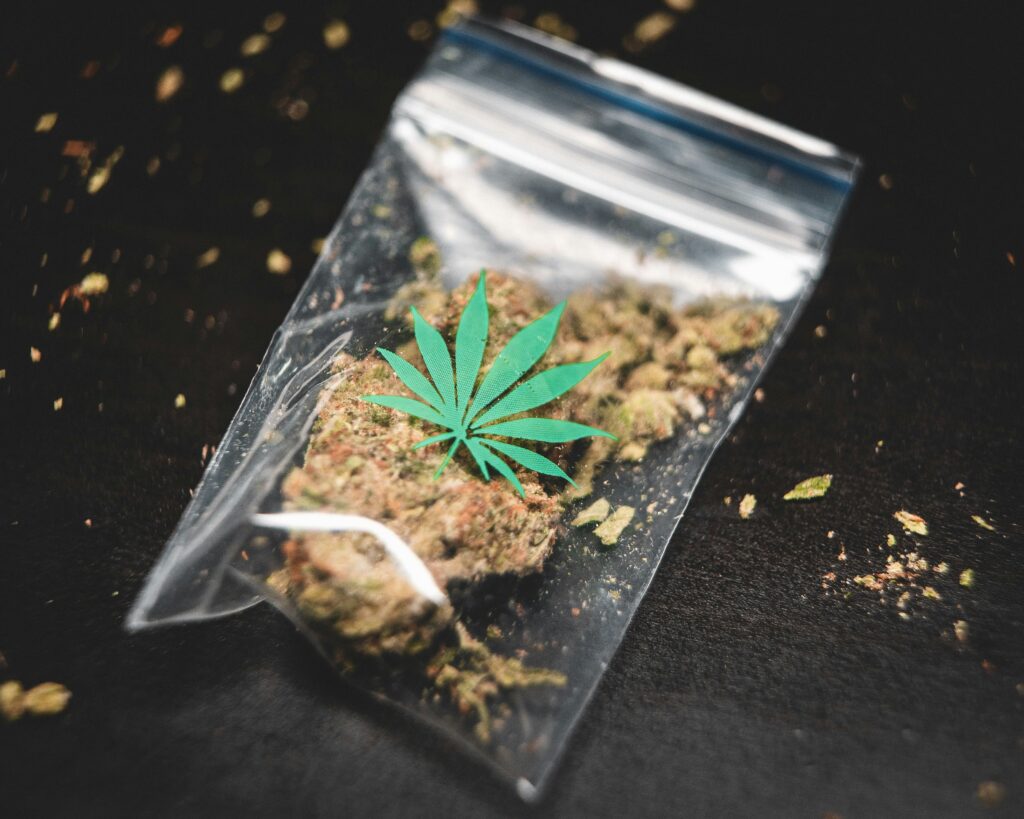
Cannabis withdrawal may involve irritability, anxiety, insomnia, vivid dreams, reduced appetite, headaches, or restlessness. Although these symptoms may appear less severe than alcohol or benzodiazepine withdrawal, they can still complicate the overall experience when occurring alongside withdrawal from other substances.
Is There a Polysubstance Withdrawal Timeline?
There is no universal polysubstance withdrawal timeline.
Symptoms may begin within hours for one substance but take longer to emerge for another. Some symptoms may peak during the first few days, while others—such as sleep disruption, anxiety, depression, fatigue, and cravings—may continue after the most intense physical symptoms improve.
Factors that can affect the timeline include:
- The substances involved
- The amount and potency used
- How often each substance was taken
- The duration of use
- When each substance was last used
- The person’s metabolism and physical health
- Previous withdrawal experiences
- Prescription medication use
- Mental health conditions
- Pregnancy
- Whether the person has been exposed to unknown substances
A person may also report an incomplete history because they do not know exactly what was in the drugs they consumed. Counterfeit pills and illegal substances can contain fentanyl or other additives without the person’s knowledge, making symptom prediction more difficult.
Online timelines may provide general information, but they cannot determine whether an individual can safely detox at home. A medical assessment is the more reliable way to identify potential risks.

Why Should Polysubstance Withdrawal Not Be Managed Alone?
Attempting to manage polysubstance withdrawal alone can be risky because symptoms may change quickly or become difficult to distinguish.
Someone may assume they are experiencing ordinary anxiety when their blood pressure or heart rate is becoming dangerous. Another person may feel relatively stable during the first several hours and then develop serious alcohol or benzodiazepine withdrawal symptoms later.
People may also try to relieve withdrawal by returning to substance use or taking another drug. For example, someone withdrawing from stimulants may use alcohol or sedatives to sleep. A person experiencing opioid withdrawal may take a benzodiazepine to manage anxiety. These attempts can produce dangerous interactions or lead to overdose.
Medical detox can provide:
- Ongoing symptom monitoring
- Vital-sign checks
- Medication management when appropriate
- Support with hydration and nutrition
- Evaluation for complications
- Mental health assessment
- A substance-free environment
- Immediate responses to concerning symptoms
- Planning for continued addiction treatment
Professional detox cannot guarantee an entirely symptom-free experience. Its purpose is to support safety, reduce avoidable discomfort, and respond to changes throughout withdrawal.
What Happens During Medical Detox for Polysubstance Use?
Treatment typically begins with a detailed assessment. The clinical team may ask about every substance used, including alcohol, prescription medications, illegal drugs, over-the-counter products, supplements, and substances taken only occasionally.
The assessment may include:
- The amount and frequency of each substance
- The time of the last dose or use
- Previous overdoses
- Past withdrawal symptoms
- History of seizures or delirium
- Current medications
- Medical conditions
- Mental health history
- Current emotional symptoms
- Pregnancy status when relevant
- Recent exposure to counterfeit pills or unknown drugs
Clinicians may then develop a treatment plan based on the most urgent risks. There is no single medication that treats every type of polysubstance withdrawal. Medications and supportive interventions are chosen according to the substances involved, symptoms, health history, and clinical response.
The plan may change as withdrawal progresses. Ongoing observation allows the treatment team to recognize new symptoms and adjust care rather than relying entirely on the person’s condition at admission.
Knoxville Recovery Center offers an on-site detox program designed to help clients withdraw from substances and transition into continued addiction treatment. The center emphasizes personalized planning rather than applying the same detox approach to every individual.
Why Is Detox Only the First Stage of Recovery?
Completing detox is a meaningful accomplishment, but it does not address every factor connected to addiction.
A person may no longer be experiencing acute polysubstance withdrawal, yet still face cravings, depression, anxiety, trauma, unstable housing, relationship problems, chronic pain, or easy access to substances. Without continued care, these concerns may contribute to a return to use.
Ongoing treatment can help clients:
- Understand why they used different substances
- Identify triggers and high-risk situations
- Develop healthier coping strategies
- Address co-occurring mental health concerns
- Improve emotional regulation
- Repair relationships
- Establish routines
- Strengthen communication skills
- Plan for relapse prevention
- Build a supportive recovery community
Treatment may also address the specific role each substance played. One drug may have been used for energy, another for sleep, and another to numb anxiety or trauma. Sustainable recovery requires alternatives for each of these needs rather than focusing on only one substance.
How Does Knoxville Recovery Center Treat Polysubstance Addiction?
Knoxville Recovery Center provides detox, residential addiction treatment, mental health stabilization, therapeutic nutrition, and aftercare planning in Knoxville, Tennessee. Its approach is centered on individualized care and preparation for continued recovery.
For someone recovering from polysubstance use, treatment may include:
- Medical detoxification
- Individual and group therapy
- Dual diagnosis support
- Addiction stabilization
- Residential care
- Nutritional education
- Healthy routine development
- Relapse-prevention planning
- Continued-care coordination
- Aftercare preparation
The goal is not simply to identify a person’s “main” drug and ignore everything else. Treatment should consider the full pattern of use, the interaction among substances, and the physical and emotional needs that contributed to addiction.
Once clients are stabilized, Knoxville Recovery Center encourages continued treatment at an appropriate level of care. This transition can help individuals maintain momentum and continue developing the skills needed for long-term recovery.

When Should Someone Seek Help for Polysubstance Withdrawal?
Professional support should be considered whenever someone regularly uses more than one substance and experiences discomfort, cravings, or difficulty functioning when they try to stop.
Signs that help may be needed include:
- Using one substance to manage the effects of another
- Experiencing withdrawal symptoms between doses
- Needing substances to sleep, work, or feel normal
- Combining alcohol with opioids or benzodiazepines
- Repeatedly attempting to stop without success
- Experiencing blackouts or overdoses
- Using counterfeit or unidentified pills
- Developing worsening anxiety, depression, or paranoia
- Missing work, school, or family responsibilities
- Continuing to use despite medical or relationship consequences
A person does not need to wait for polysubstance withdrawal to become an emergency before seeking treatment.
Knoxville Recovery Center can help individuals and families understand available detox and addiction treatment options. With individualized medical support, structured care, and a plan for what happens after detox, recovery from polysubstance use is possible.
Contact Knoxville Recovery Center or give our team a call today to learn more about medically supported detox and personalized addiction treatment in Knoxville, TN. Taking the next step can begin with an honest conversation about every substance involved.
What Are Common Questions About Polysubstance Withdrawal?
What is polysubstance withdrawal?
Polysubstance withdrawal occurs when someone stops or significantly reduces two or more substances after developing physical dependence. Because each substance can produce different symptoms and timelines, polysubstance withdrawal may be more complex and unpredictable than withdrawal from one substance alone.
What are the symptoms of polysubstance withdrawal?
Polysubstance withdrawal symptoms depend on the drugs involved but may include sweating, shaking, muscle pain, nausea, vomiting, diarrhea, insomnia, anxiety, depression, irritability, confusion, cravings, and changes in heart rate or blood pressure. Severe symptoms may include seizures, hallucinations, chest pain, or difficulty breathing.
How long does polysubstance withdrawal last?
There is no universal polysubstance withdrawal timeline. Symptoms from one substance may begin within hours, while symptoms from another may not appear until later. Physical symptoms may improve within several days, but sleep problems, fatigue, mood changes, and cravings may continue for a longer period.
Can polysubstance withdrawal be treated at home?
Attempting to manage polysubstance withdrawal at home can be dangerous, particularly when alcohol, benzodiazepines, opioids, or unknown substances are involved. Medical detox allows professionals to monitor symptoms, manage medications, address complications, and adjust care as different withdrawal symptoms emerge.
What happens after detox for polysubstance use?
After detox, continued addiction treatment can help address cravings, triggers, mental health concerns, relationships, and the reasons different substances were used. Treatment may include residential care, individual and group therapy, dual diagnosis services, relapse-prevention planning, and aftercare support.