
When people search “what is a trap house,” they’re often picturing a place filled with chaos, substance use, and unsafe conditions. While that definition may be partially true, it doesn’t tell the full story. Behind every environment labeled this way is a person—someone who may be struggling deeply with addiction, mental health challenges, or overwhelming life circumstances.
At Knoxville Recovery Center, we believe it’s essential to approach this topic with compassion rather than judgment. Addiction doesn’t just affect a person’s health—it can impact their environment, relationships, and ability to care for themselves and their surroundings.
In this blog, we’ll explore what is a trap house, how addiction can contribute to these environments, and how recovery can help individuals rebuild both their lives and their living spaces.
What Is a Trap House?
To fully understand the issue, we need to clearly define what is a trap house.
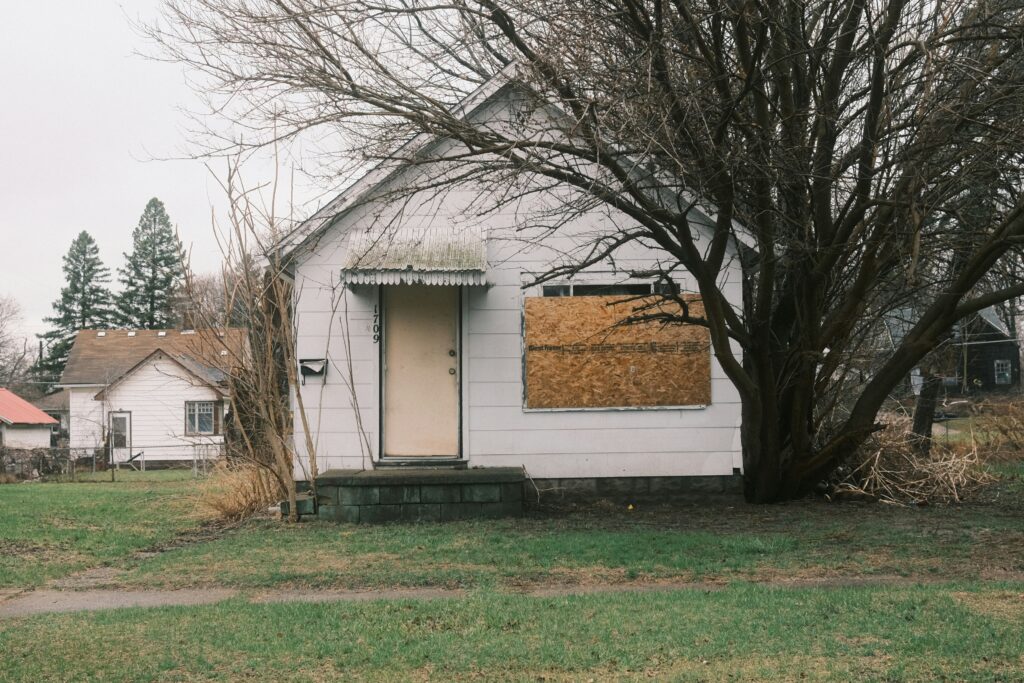
A “trap house” is a slang term used to describe a residence where drugs are used, sold, or stored. These spaces are often associated with:
- Poor hygiene and sanitation
- Clutter or extreme disorganization
- Frequent visitors, often at all hours
- Structural damage or unsafe conditions
- A lack of routine or stability
However, it’s important to recognize that a trap house is not just about physical conditions. It’s often a reflection of the internal struggles someone is experiencing due to addiction.
How Addiction Affects a Person’s Environment
Understanding what is a trap house means understanding how addiction can gradually impact someone’s ability to maintain their living space.
Addiction is a chronic condition that affects the brain’s reward system, motivation, and decision-making. As substance use becomes more central in a person’s life, everyday responsibilities may begin to fall away.
This can include:
- Cleaning and maintaining a home
- Paying bills or managing finances
- Cooking meals or grocery shopping
- Practicing personal hygiene
What may begin as minor neglect—like skipping chores or letting clutter build—can slowly evolve into a living environment that feels overwhelming, unsafe, or unmanageable.
The Gradual Development of a Trap House
Many people assume these environments appear suddenly, but when asking what is a trap house, it’s important to understand that they typically develop over time.
Loss of Structure
Daily routines begin to disappear. Sleep schedules shift, responsibilities are missed, and maintaining a clean space becomes less of a priority.
Emotional Withdrawal
Addiction often leads to isolation. Individuals may distance themselves from loved ones, which reduces accountability and support.
Increased Focus on Substance Use
As substance use becomes the primary focus, time, money, and energy are redirected away from maintaining a healthy living environment.
High-Risk Activity
In some cases, the home becomes a place where others gather to use or obtain substances. This can increase foot traffic, introduce unsafe individuals, and further destabilize the environment.
The Emotional Weight Behind the Environment
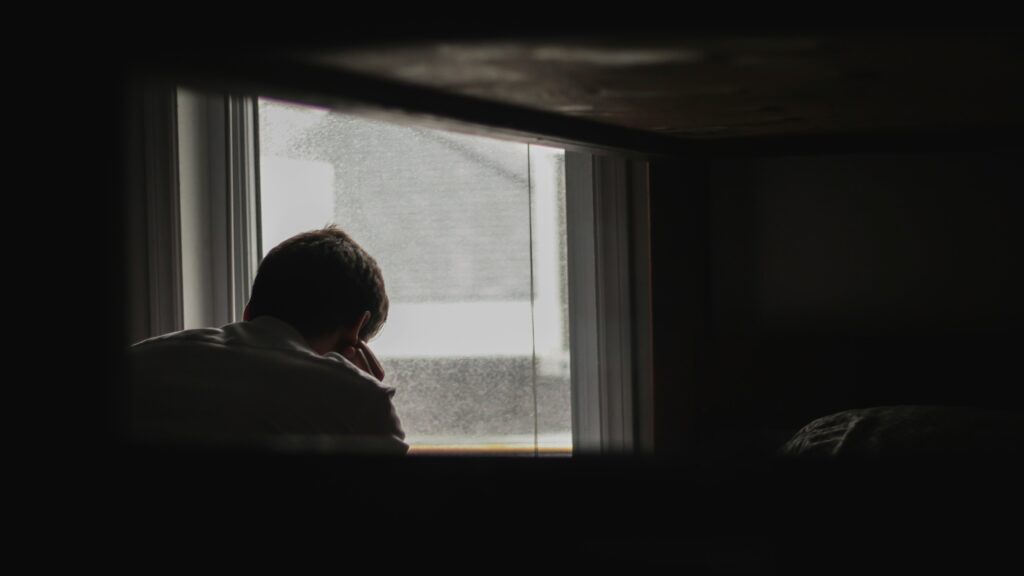
When people think about what is a trap house, they often focus on the physical aspects. But the emotional experience of living in these conditions is just as important.
Individuals may feel:
- Deep shame or embarrassment
- Anxiety or depression
- A sense of hopelessness
- Overwhelm that makes change feel impossible
These feelings can create a cycle that keeps a person stuck. For example, someone may want to improve their living space but feel too overwhelmed or ashamed to begin.
At Knoxville Recovery Center, we understand that these emotions are not signs of weakness—they are symptoms of a larger struggle that deserves care and support.
Health and Safety Concerns
Another important part of understanding what is a trap house is recognizing the risks associated with these environments.
Physical Health Risks
- Exposure to mold, bacteria, and pests
- Poor nutrition and dehydration
- Increased risk of illness
Mental Health Challenges
- Heightened anxiety and depression
- Increased isolation
- Difficulty concentrating or making decisions
Safety Risks
- Fire hazards or structural damage
- Risk of theft or violence
- Legal consequences related to substance use
These risks highlight why addressing both addiction and living conditions is so important.
Recovery: A Path Toward Stability and Safety
While the question what is a trap house can feel heavy, there is hope. Recovery offers a path forward—not just away from substance use, but toward a healthier, more stable life.
At Knoxville Recovery Center, we focus on helping individuals rebuild every aspect of their lives.
Rebuilding Routine
Recovery helps individuals re-establish daily habits such as:
- Cleaning and organizing their space
- Maintaining a consistent schedule
- Setting achievable goals
Healing the Root Causes
Addiction is often connected to underlying issues such as trauma, anxiety, depression, or chronic stress. Addressing these factors is key to long-term recovery.
Developing Life Skills
Many individuals benefit from learning practical skills, including:
- Time management
- Financial planning
- Healthy self-care routines
Restoring Connection
Recovery also involves rebuilding relationships and connecting with a supportive community. This support can make a significant difference in maintaining progress.

Reclaiming Your Living Space
If you’ve been wondering what is a trap house because it feels close to home, it’s important to remember: your environment does not define you.
Change doesn’t have to happen all at once. Small, manageable steps can lead to meaningful progress.
Some starting points include:
- Cleaning one small area at a time
- Letting in natural light and fresh air
- Asking for help from a trusted person
- Creating a simple daily routine
These steps may seem small, but they can help rebuild a sense of control and confidence.
Supporting a Loved One
If you’re asking what is a trap house because you’re concerned about someone you care about, your support can make a powerful difference.
Approach with Compassion
Avoid judgment or criticism. Lead with empathy and understanding.
Offer Practical Help
Helping with cleaning, organizing, or finding resources can provide immediate relief.
Encourage Professional Treatment
Recovery centers like Knoxville Recovery Center offer the structure and support needed for lasting change.
Maintain Boundaries
Supporting someone doesn’t mean sacrificing your own well-being. Healthy boundaries are essential.
A Future Beyond the Struggle
So, what is a trap house? It’s more than a place—it’s a reflection of how deeply addiction can impact a person’s life. But it’s also something that can change.
With the right support, individuals can move from instability to structure, from isolation to connection, and from overwhelm to empowerment.
At Knoxville Recovery Center, we believe that everyone deserves a safe, healthy environment—and the opportunity to rebuild their life with dignity and hope.
You Don’t Have to Do This Alone
If you or someone you love is struggling with addiction and living conditions have become difficult to manage, help is available.
Recovery is not just about breaking free from substance use—it’s about creating a life that feels safe, stable, and meaningful.
Contact Knoxville Recovery Center today to learn more about our compassionate, evidence-based programs. Our team is here to support you every step of the way as you begin your journey toward healing.

Take Back Control of Your Life and Your Environment
If you’ve been searching what is a trap house and found that the description feels uncomfortably close to home, it’s important to know that you are not alone—and more importantly, that change is possible.
Addiction can quietly take hold of every part of life. What starts as occasional use can grow into something that affects your health, your relationships, and even your living environment. If your space feels overwhelming, unsafe, or out of control, it’s not a reflection of your worth—it’s a sign that you may need support.
At Knoxville Recovery Center, we understand that recovery is about more than just stopping substance use. It’s about rebuilding your life piece by piece—restoring your sense of stability, improving your mental and physical health, and creating a living environment that feels safe, clean, and manageable again.
Our team of experienced, compassionate professionals is here to meet you where you are. Through personalized treatment plans, evidence-based therapies, and a supportive community, we help you address the root causes of addiction while building the skills needed for long-term success.
Imagine waking up with clarity, in a space that feels calm and under control. Imagine having the energy and confidence to take care of yourself and your surroundings again. That future is within reach—and it starts with one decision.
Whether you’re seeking help for yourself or reaching out on behalf of a loved one, Knoxville Recovery Center provides a judgment-free environment where healing can begin. You don’t have to carry the weight of addiction alone.
The longer you wait, the harder things can feel—but taking that first step today can change everything.
Contact Knoxville Recovery Center now or call us to speak with a member of our team, verify your insurance, and explore treatment options that are tailored to your unique needs. A healthier, safer, and more stable life is possible—and your journey starts here.