Across Tennessee, including here in Knoxville, conversations about kratom are becoming more urgent. With the state moving toward banning kratom sales, many individuals are left wondering what this means for their health, their routines, and their future.
For those who have been using kratom regularly, one of the biggest concerns is the possibility of kratom withdrawals. While kratom is often marketed as a natural or safer alternative to other substances, the reality is more complex—and for some, more challenging.
At Knoxville Recovery Center, we believe in providing clear, compassionate guidance during moments of uncertainty. If you’re concerned about kratom withdrawals or unsure how to navigate these upcoming changes, understanding the full picture can help you take the next step with confidence.
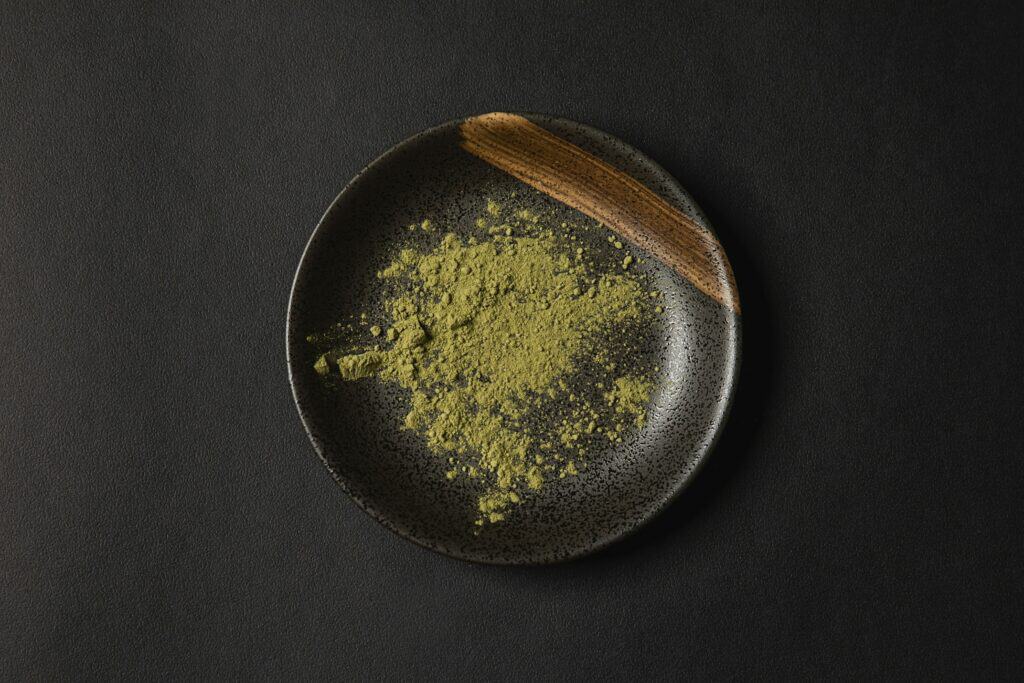
What Is Kratom and Why Is It So Popular?
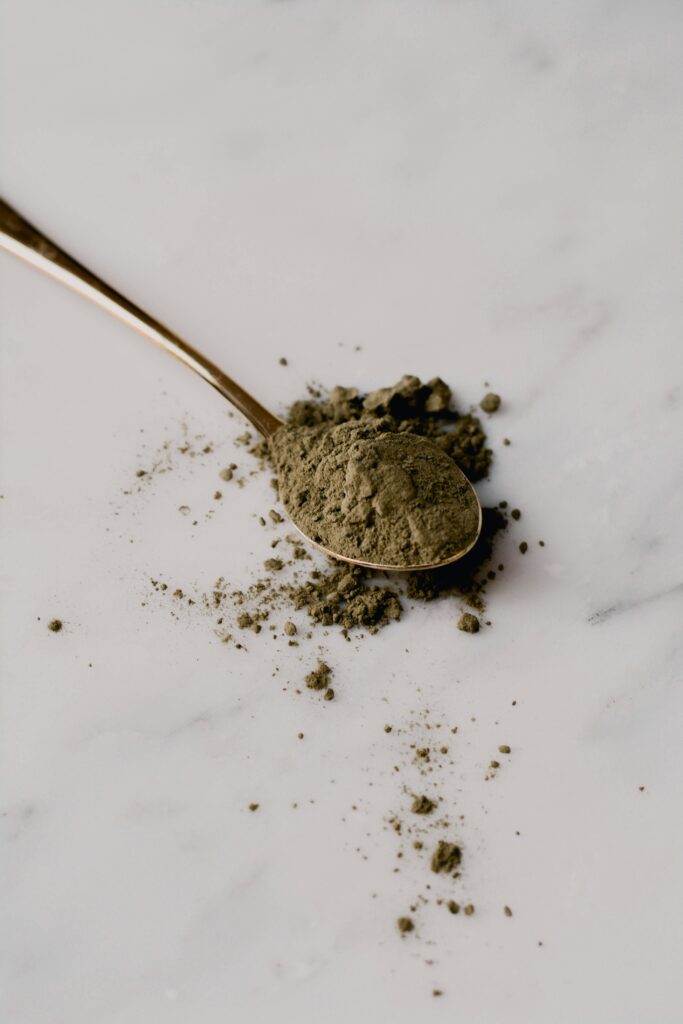
Kratom comes from the leaves of the Mitragyna speciosa tree, which grows in Southeast Asia. Traditionally, it has been used in small amounts to increase energy and alertness, and in larger amounts for its calming and pain-relieving effects.
In the United States, kratom has gained popularity for a variety of reasons. Some individuals use it to manage chronic pain, while others turn to it as a way to cope with stress or reduce symptoms associated with opioid withdrawal.
Because it is plant-based and widely available in places like smoke shops and online retailers, kratom is often perceived as low-risk. However, its effects on the brain tell a different story—especially when it comes to dependence and kratom withdrawals.
How Kratom Affects the Brain and Body
Understanding kratom withdrawals starts with understanding how kratom works.
Kratom’s primary active compounds—mitragynine and 7-hydroxymitragynine—interact with opioid receptors in the brain. These receptors are responsible for regulating pain, reward, and emotional response. When kratom binds to these receptors, it can produce effects similar to opioids, including relaxation and euphoria.
At lower doses, kratom may feel stimulating, increasing focus and energy. At higher doses, it acts more like a sedative, slowing the body down and creating a sense of calm.
Over time, repeated use can lead the brain to rely on kratom to maintain balance. When that balance is disrupted—such as when someone stops using—the body can react with withdrawal symptoms.
Why Tennessee Is Banning Kratom
Tennessee’s decision to ban kratom sales is rooted in growing concerns about safety and public health.
While kratom is still legal in some parts of the country, it remains largely unregulated. This means there are few safeguards when it comes to product purity, dosage consistency, or contamination. In some cases, kratom products have been found to contain harmful additives or other substances.
In addition, healthcare providers have reported an increase in cases involving kratom dependence and kratom withdrawals. Emergency room visits and calls to poison control centers have also raised red flags.
For individuals in Knoxville and throughout Tennessee, this ban means that access to kratom may soon be limited or eliminated—potentially leading to sudden discontinuation for those who use it regularly.
What Are Kratom Withdrawals Like?
Kratom withdrawals occur when the body adjusts to the absence of the substance after regular use. Because kratom affects opioid receptors, its withdrawal symptoms can feel similar to mild or moderate opioid withdrawal.
The intensity of kratom withdrawals can vary widely. Factors such as how long you’ve been using kratom, how much you typically take, and your overall health all play a role.
Common Symptoms of Kratom Withdrawals
Kratom withdrawals can affect both physical and emotional well-being. While some individuals may experience mild discomfort, others may find the symptoms more disruptive.
Physical Symptoms
- Muscle soreness and body aches
- Sweating and chills
- Nausea or upset stomach
- Diarrhea
- Low energy and fatigue
- Headaches
- Tremors or restlessness
Emotional and Psychological Symptoms
- Anxiety or nervousness
- Irritability
- Depressed mood
- Difficulty sleeping
- Brain fog or trouble focusing
- Strong cravings for kratom
Symptoms often begin within a day of stopping use and can last several days. For some, lingering emotional symptoms may continue beyond the initial withdrawal period.
The Hidden Risks of Kratom Withdrawals
Even though kratom is sometimes described as mild, kratom withdrawals can still create significant challenges—especially without support.
One of the most common risks is relapse. When withdrawal symptoms become uncomfortable, it can be tempting to return to kratom use for relief. This cycle can make it difficult to break free from dependence.
There are also mental health considerations. Anxiety, low mood, and sleep disruption can intensify during withdrawal, making everyday responsibilities feel harder to manage.
In some cases, individuals may turn to other substances in an attempt to cope with kratom withdrawals, which can introduce additional risks.
With Tennessee’s upcoming ban, these challenges may become more common as individuals face abrupt changes in access.

A Different Way to Look at Kratom Use
At Knoxville Recovery Center, we approach substance use with empathy and understanding. For many people, kratom use didn’t begin as a problem—it began as a solution.
Maybe it was a way to manage pain. Maybe it helped you get through long days or difficult emotions. Whatever the reason, your experience matters.
Kratom withdrawals are not a sign of weakness—they’re a natural response from a body that has adapted to a substance. And with the right support, that body can adapt again.
How to Navigate Kratom Withdrawals Safely
If you’re anticipating kratom withdrawals due to Tennessee’s ban—or you’re simply ready to stop using—there are ways to support yourself through the process.
Seek Professional Support
Working with a team of professionals can make a significant difference. Clinical support can help manage symptoms, provide guidance, and reduce the risk of complications.
Focus on Physical Wellness
Hydration, balanced nutrition, and rest can help your body recover more efficiently. Even small efforts—like drinking more water or eating regularly—can have a positive impact.
Create Structure
Having a daily routine can provide stability during withdrawal. Simple habits like waking up at the same time, taking short walks, or setting small goals can help restore a sense of control.
Lean on Community
You don’t have to go through kratom withdrawals alone. Whether it’s friends, family, or a recovery-focused community, connection can make the experience feel more manageable.
The Knoxville Recovery Center Approach
At Knoxville Recovery Center, we believe that healing is not one-size-fits-all. Every individual brings their own story, challenges, and strengths—and your care should reflect that.
Our approach combines evidence-based therapies with holistic support to help you move through kratom withdrawals and beyond. This includes:
- Individualized treatment planning
- Group and one-on-one therapy
- Mindfulness and stress-reduction techniques
- Life skills development
- Supportive community environments
We focus not only on helping you stop using substances, but on helping you build a life that feels meaningful, balanced, and sustainable.
What This Change Means for Knoxville Residents
The kratom ban in Tennessee may feel like a sudden shift, especially for those who rely on it. But it can also serve as an opportunity to reassess your relationship with substances and explore new ways of supporting your well-being.
For many in Knoxville, this moment may be the beginning of a new chapter—one that prioritizes long-term health, stability, and growth.
If you’re feeling uncertain, overwhelmed, or concerned about kratom withdrawals, it’s okay to ask for help. In fact, it’s one of the strongest steps you can take.
Moving Forward with Confidence
Kratom withdrawals can be uncomfortable—but they are temporary. With time, support, and the right environment, your body and mind can regain balance.
You deserve to feel clear, grounded, and supported in your daily life. And no matter where you’re starting from, change is possible.
Final Thoughts on Kratom Withdrawals
As Tennessee moves forward with banning kratom, it’s important to recognize the real impact this substance can have. While it may seem mild or manageable at first, dependence and kratom withdrawals can create challenges that deserve attention and care.
If you or someone you love is navigating kratom withdrawals, know that support is available—and healing is within reach.

Support Is Available at Knoxville Recovery Center
If you’re experiencing kratom withdrawals or preparing for the upcoming changes in Tennessee, Knoxville Recovery Center is here for you.
Our team is committed to providing compassionate, individualized care that meets you where you are. Whether you need help managing withdrawal symptoms, building a recovery plan, or simply finding a place to start, we’re ready to support you.
Reach out today or call us today to learn more about how Knoxville Recovery Center can help you move forward with clarity, confidence, and lasting change.